Nearly every enquiry starts and ends with Machu Picchu, and it's a fair instinct: it's one of the few sites that lives up to the photos. The trip that works, though, is rarely just Cusco and the ruins. Lima deserves at least two nights for the food scene alone, and the Sacred Valley towns between Cusco and Machu Picchu, Ollantaytambo and Pisac especially, are worth slowing down for rather than treating as a transit corridor. Clients with 10+ days and a genuine interest in wildlife are also well served by adding a few nights in the Amazon Basin out of Puerto Maldonado, a short flight from Cusco and a completely different side of the country from the highlands.
Altitude is the planning detail that gets skipped most often and causes the most trouble on arrival. Cusco sits above 3,400 meters, high enough that a decent share of visitors feel it, and flying straight there from Lima and heading out to Machu Picchu the next day is asking for a rough couple of days. I generally route clients through the Sacred Valley first, which sits somewhat lower, before Cusco itself, giving a day or two of acclimatization before the harder trekking or high-altitude days. The dry season, May through September, is when most people want to travel for the reliable weather and clear mountain views, while December through March brings the wet season to the highlands, with the Inca Trail itself closed entirely each February for maintenance.
Lima runs on its own separate climate logic worth knowing about: it's mild and virtually rainless year round, but June through September brings the garua, a persistent grey coastal fog that can make the capital feel overcast for days at a stretch even while the highlands are enjoying their driest, clearest weather. The Amazon Basin runs hot and humid all year, with a wetter stretch from December through May. For the Inca Trail specifically, permits are limited by the government and sell out months in advance for the June through August peak, so that's one booking I always tell clients to lock in first, before anything else on the itinerary.
When to go, region by region
Typical monthly patterns based on long-run averages and how busy each season tends to get with visitors — treat it as a planning guide, not a forecast, and always check closer to your travel dates.
Cusco & the Sacred Valley
Jan
19°/6°
140mm
Feb
19°/6°
130mm
Mar
19°/5°
100mm
Apr
20°/3°
45mm
May
20°/1°
15mm
Jun
20°/-1°
5mm
Jul
20°/-2°
5mm
Aug
20°/0°
10mm
Sep
21°/3°
25mm
Oct
21°/5°
45mm
Nov
21°/6°
70mm
Dec
20°/6°
110mm
Jan
Feb
Mar
Apr
May
Jun
Jul
Aug
Sep
Oct
Nov
Dec
Lima & the coast
Jan
27°/19°
1mm
Feb
28°/20°
1mm
Mar
27°/19°
1mm
Apr
24°/17°
1mm
May
21°/16°
3mm
Jun
19°/15°
5mm
Jul
18°/14°
8mm
Aug
17°/14°
8mm
Sep
18°/14°
6mm
Oct
19°/15°
3mm
Nov
21°/16°
1mm
Dec
24°/17°
1mm
Jan
Feb
Mar
Apr
May
Jun
Jul
Aug
Sep
Oct
Nov
Dec
Amazon Basin: Puerto Maldonado & Iquitos
Jan
30°/21°
260mm
Feb
30°/21°
250mm
Mar
30°/21°
240mm
Apr
30°/21°
200mm
May
29°/20°
170mm
Jun
28°/18°
120mm
Jul
28°/17°
100mm
Aug
29°/18°
90mm
Sep
30°/19°
120mm
Oct
30°/20°
160mm
Nov
30°/21°
190mm
Dec
30°/21°
230mm
Jan
Feb
Mar
Apr
May
Jun
Jul
Aug
Sep
Oct
Nov
Dec
Things worth building a trip around

Machu Picchu
The 15th-century Incan citadel set on a ridge between two peaks, reachable by train and bus or by multi-day trek, and still worth every bit of the buildup once a client is actually standing at the classic overlook.
Entry tickets are timed and limited by the Peruvian government; book them, along with the train, at least a couple of months ahead for June through August travel.

Sacred Valley: Ollantaytambo & Pisac
A fertile valley strung with Incan terracing and ruins, anchored by the living Incan town of Ollantaytambo and the hilltop ruins and lively market at Pisac, sitting at a friendlier altitude than Cusco itself.
Route clients through here before Cusco rather than after; it's the easiest, most scenic way to spend an acclimatization day or two instead of losing them to a hotel room.
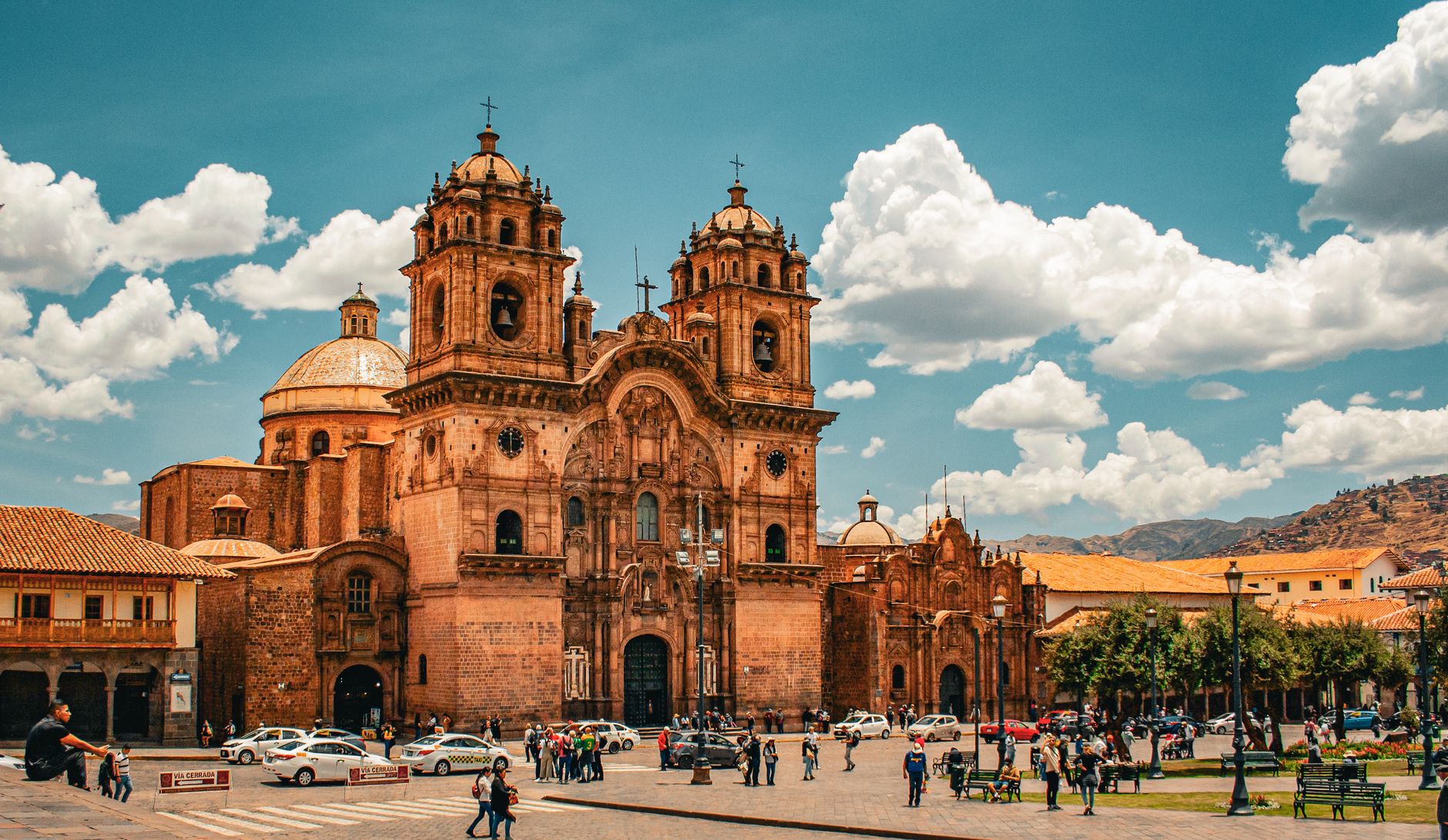
Cusco City & Qorikancha
A colonial city built directly on top of the former Incan capital, most visibly at Qorikancha, where a Spanish church and convent sit atop remaining walls of what was once the empire's most important temple.
Keep the first day in Cusco deliberately light: a walking tour and an early dinner, nothing strenuous, while the body adjusts to the altitude.
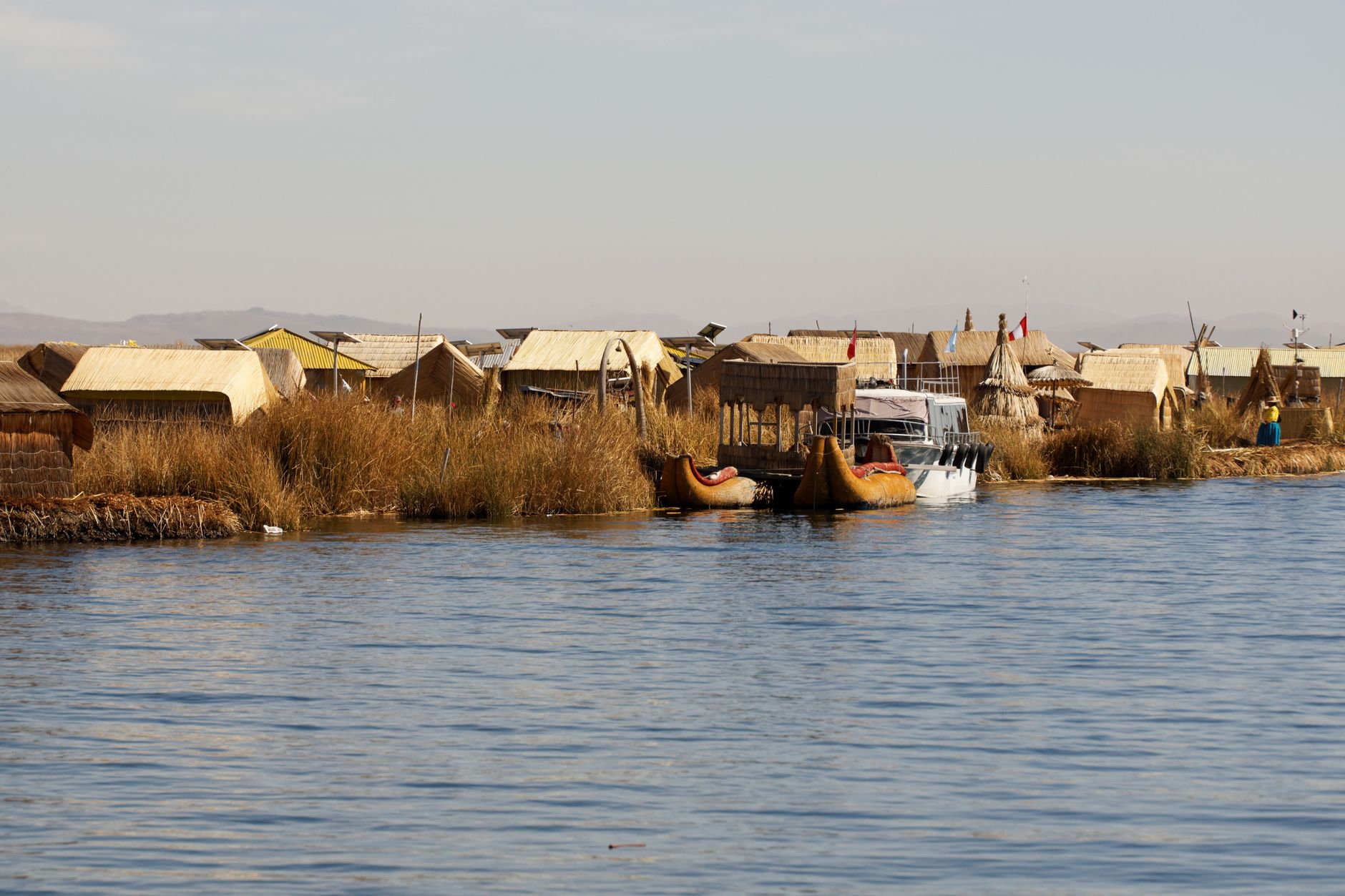
Lake Titicaca & the Uros floating islands
The highest navigable lake in the world, straddling the border with Bolivia, with the Uros people's handmade reed islands near Puno offering one of the more unusual overnight stays available anywhere in South America.
It's a genuine detour from the Cusco-Machu Picchu route, usually an overnight bus or a flight via Juliaca, so it fits best on a 10+ day itinerary rather than a first, shorter trip.

Amazon Basin jungle lodge
A short flight from Cusco to Puerto Maldonado opens onto lowland rainforest lodges with canopy towers, oxbow lakes, and some of the most accessible wildlife viewing anywhere in the Amazon, including macaw clay licks at dawn.
Three nights is the practical minimum; the first day is largely travel, and wildlife sightings improve considerably with a second full day in the lodge.

Lima's food scene, Miraflores & Barranco
A coastal capital that's become one of the world's most respected food cities, with Miraflores' clifftop parks and Barranco's bohemian street art giving clients good reason to stay longer than the usual one-night layover.
Book the well-known tasting-menu restaurants weeks ahead; the top few in Miraflores and Barranco routinely book out even in the slower June through September fog season.
Thinking about Peru?
Tell me a little about the trip you're dreaming of, and I'll be in touch to help bring it to life.
Request a Callback